
Why Stomach Acid Matters for Gut Health & Preconception
When we talk about gut health, we often jump straight to probiotics, fiber, fermented foods, and the microbiome.
But before we ever get to the intestines, there is an important first step in digestion that deserves more attention:
Stomach acid.

Gut Health & Immune Function: Why Your Gut Matters Before Pregnancy
When we think about preparing for pregnancy, we often focus on prenatal vitamins, ovulation, hormone levels, and nutrition. But there is another foundational piece of the picture that deserves just as much attention: gut health.
Your gut is not simply responsible for digesting your food. It plays a major role in immune system function, nutrient absorption, inflammation, and communication throughout the body. And because pregnancy requires significant changes to the immune system, supporting these systems before conception can be an important part of preparing the body for pregnancy.
Cholesterol: Why Your Brain and Hormones Need It
The goal isn't to eliminate cholesterol. The goal is to understand it and support the systems that help your body use and regulate it appropriately.
Autism, Detoxification & The Wellness Way Approach: Looking Beyond the Symptoms
At The Wellness Way, our approach is not about trying to “cure” autism. Instead, we look at the individual as a whole and ask:
What systems may need additional support?
One area we may consider is the body's natural detoxification and elimination pathways.

Why Autism Isn't Just About the Brain: Understanding the Gut-Brain-Immune Connection
At The Wellness Way North Scottsdale, we believe that true health comes from understanding how the body's systems work together, not from focusing on one diagnosis in isolation.
That's why we look at the gut, the immune system, nutrition, metabolism, sleep, hormones, and the nervous system as connected pieces of the same puzzle.
Because every child is unique. Every story is different.
And every family deserves answers that go deeper than the diagnosis.

What Is Clostridia—And Why Do We Look for It in Children on the Autism Spectrum?
Parents of children on the autism spectrum are sometimes surprised when we start talking about gut bacteria.
"What does the gut have to do with the brain?"
As it turns out, a lot.
The gut and brain are in constant communication through what scientists call the gut-brain axis, a complex network connecting the digestive system, immune system, nervous system, and even the trillions of microbes that live inside us.
At The Wellness Way, one group of bacteria we often investigate is Clostridia…
Why We Use Organic Acids Testing (OAT) for Children on the Autism Spectrum
If you've read our previous blog about The Wellness Way approach to autism, you know that we believe every child deserves an individualized investigation into their health—not just a diagnosis.
Instead of asking, "What diagnosis does this child have?" we ask, "What is this child's body trying to tell us?"
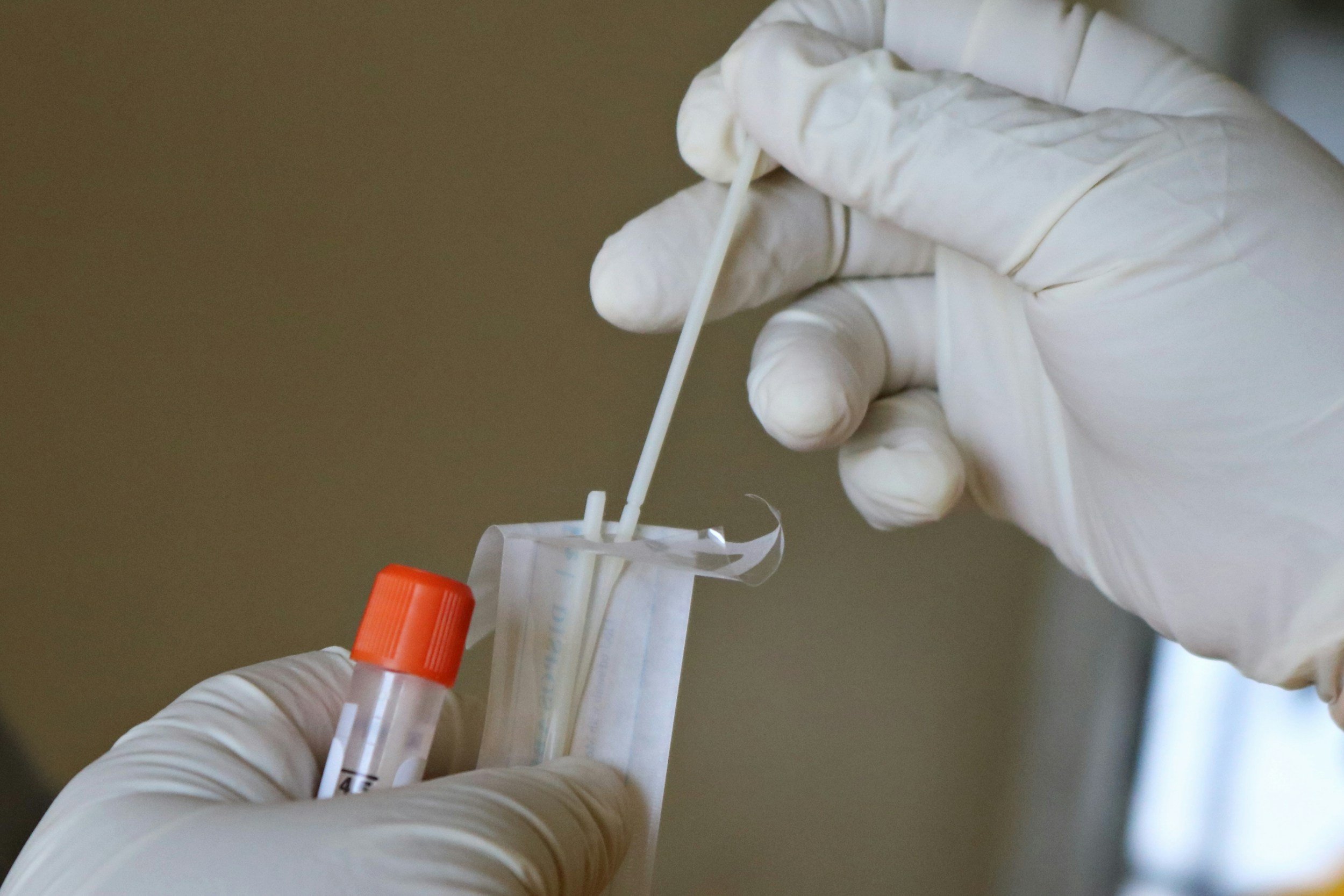
One of the most valuable tools we use to help answer that question is the Organic Acids Test (OAT).

The Wellness Way Approach to Autism: Looking Beyond the Diagnosis
Many are told that autism is simply genetic, that there's nothing else to investigate, and that the only options are therapies designed to manage behaviors. While speech therapy, occupational therapy, ABA, and other interventions can be incredibly valuable, we believe they are only one piece of the puzzle.
At The Wellness Way, we ask a different questions…
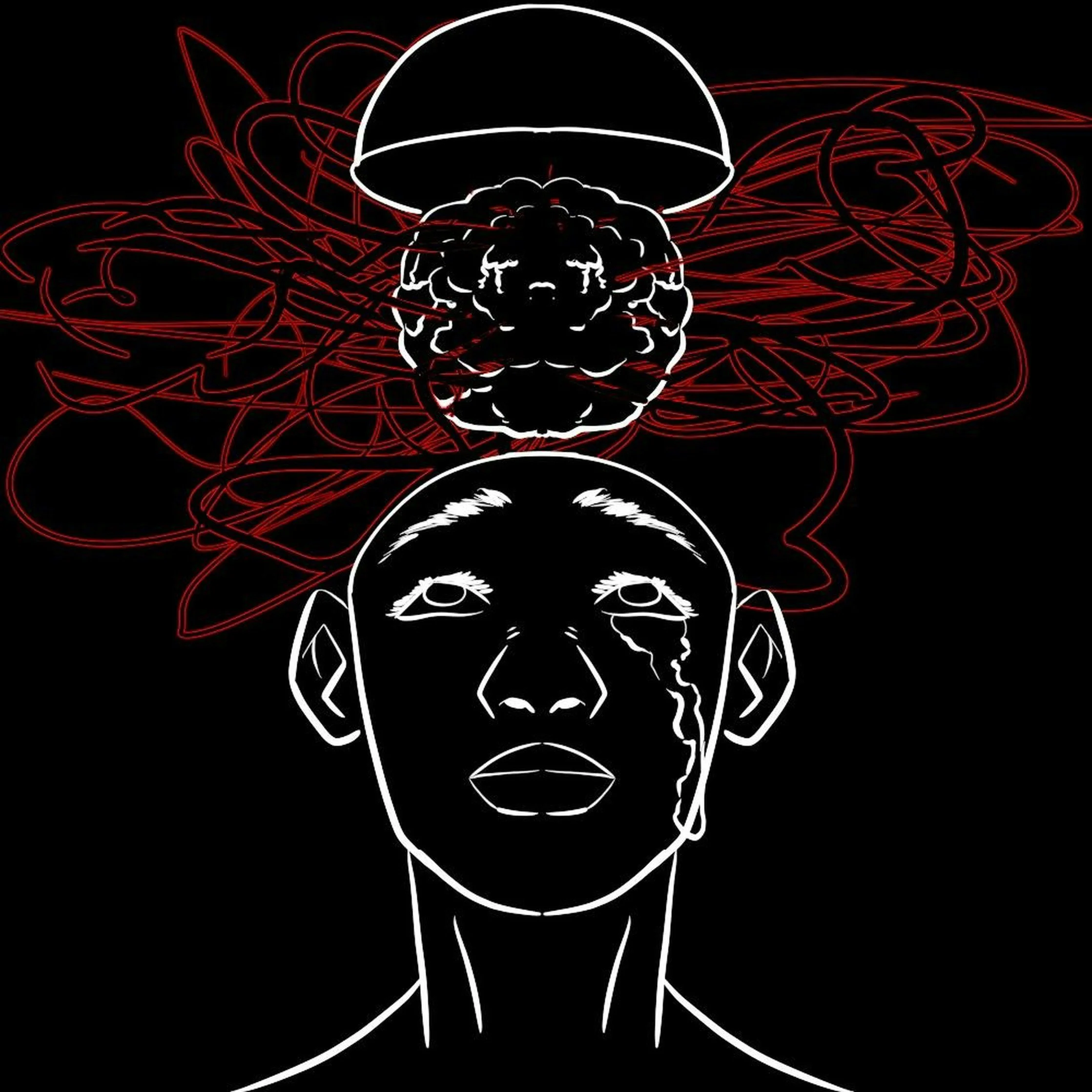
Your Nervous System Might Be the Missing Link in Chronic Symptoms
When people deal with long-standing symptoms—pain, fatigue, digestive issues, tension—they often search for a structural or biochemical explanation. But one system quietly influences all of these at once: the autonomic nervous system.

Why You Keep Getting “Tight” in the Same Spot (And What Your Body Is Really Doing)
Recurring tightness in the same area—whether it’s the upper traps, low back, or between the shoulder blades—is rarely a localized muscle problem. It’s usually a compensation pattern.
Muscles don’t tighten randomly. They tighten for a reason.
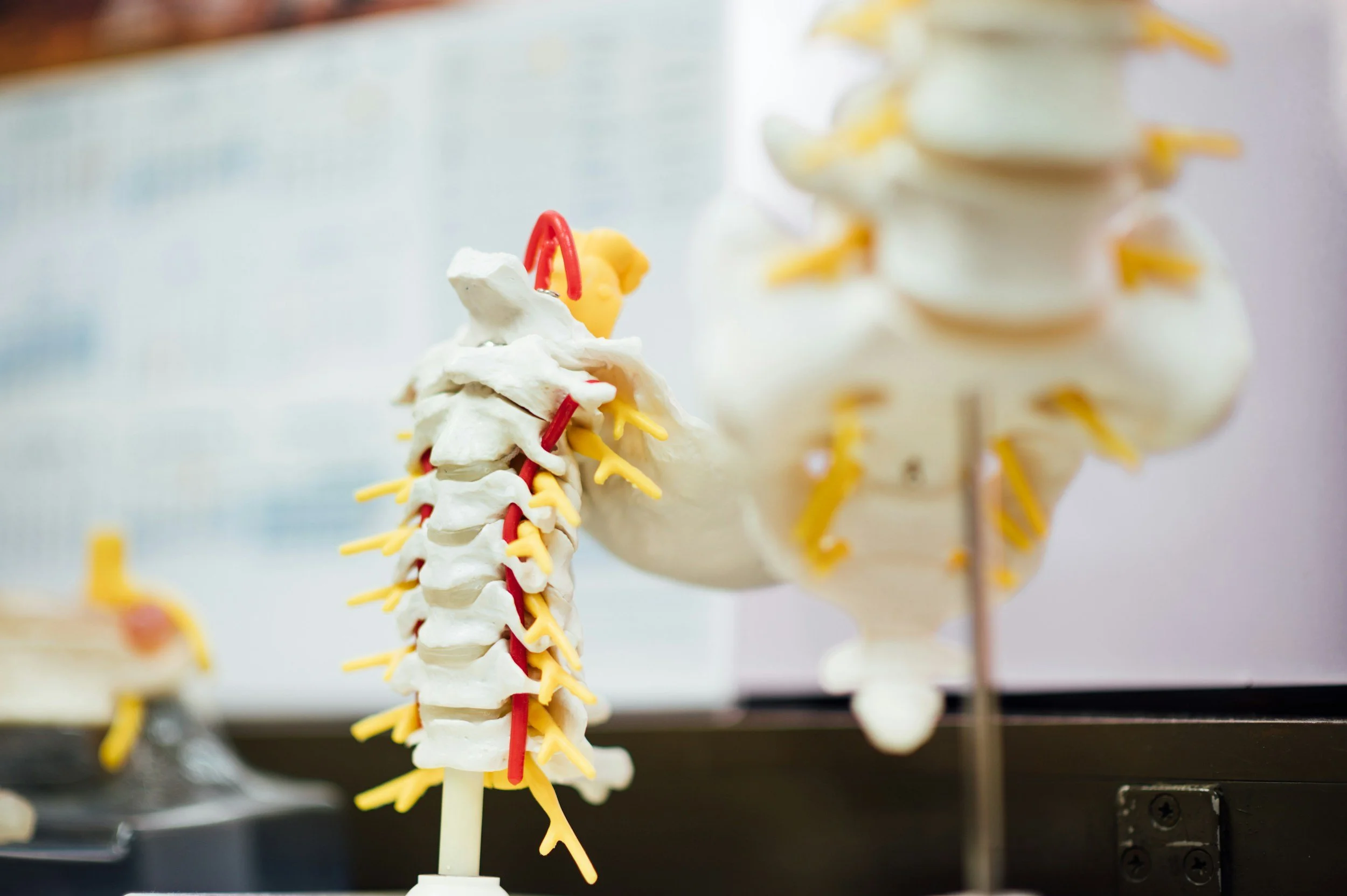
The Hidden Cost of Sitting: Why Your Spine Isn’t Designed for Modern Life
The human spine is incredibly strong, adaptable, and dynamic—but it is not designed for long periods of uninterrupted stillness.
Sitting for extended durations creates a very specific physiological environment: low movement variability, reduced circulation, and sustained mechanical loading in flexed positions.
Over time, this doesn’t just create “tightness”—it changes how your body functions.

Why Your Body Keeps Holding Onto Pain (Even After Injury Heals)
One of the most misunderstood aspects of chronic pain is the assumption that pain equals damage. In reality, pain is not a direct measure of tissue injury—it is an output of the nervous system based on perceived threat.

“They Told Me It Was Normal…” (What Young Women with PCOS Are Too Often Told—and Why It Matters)
If you’ve been told:
“Everything looks fine”
or
“This is just how PCOS is”
…but you don’t feel fine…
It might be time to look deeper.
“I Thought This Was Just Part of Being a Mom…”
At some point, a lot of moms quietly accept a new normal:
“Of course I’m exhausted—I have kids.”
“It’s normal to feel overwhelmed all the time.”
“I just need more coffee.”
“My hormones are probably just off because I’m a mom.”
So they push through.
They adapt.
They tell themselves this is just what this season of life looks like.
But what if it’s not?

Why You’re Exhausted… But Can’t Sleep (And What Your Cortisol Pattern Might Be Telling You)
If you’re a mom who feels:
Exhausted the moment you wake up
Dependent on caffeine just to function
Overstimulated and touched-out by mid-afternoon
Wide awake the second your head hits the pillow
You’re not crazy.
And you’re definitely not alone.
But more importantly—this isn’t random.
This is often what happens when your cortisol rhythm is off.
Are You Actually Measuring Cortisol… or Just Guessing?
If you’re dealing with fatigue, sleep issues, hormone imbalances, or chronic stress, it’s not enough to ask:
“Is my cortisol high or low?”
The better question is:
“What is my cortisol doing throughout the day—and why?”
That’s where advanced testing and a root-cause approach make all the difference.

Cortisol & Circadian Rhythm: Why Timing Matters More Than You Think
When people hear the word cortisol, they often think of stress—and something negative that needs to be lowered.
But the truth is:
Cortisol isn’t the enemy. It’s essential.
What matters most isn’t just how much cortisol your body produces…
it’s when it produces it.
That’s where your circadian rhythm comes in.

Sleep Hygiene: The Foundation of Hormones, Healing, and Whole-Body Health
In today’s busy world, sleep is often the first thing people sacrifice—and one of the last things they address when their health starts to decline.
But the truth is:
You cannot out-supplement, out-exercise, or out-adjust poor sleep.
Sleep is one of the most powerful, foundational tools your body uses to heal, regulate hormones, and restore balance. And that’s where sleep hygiene comes in.
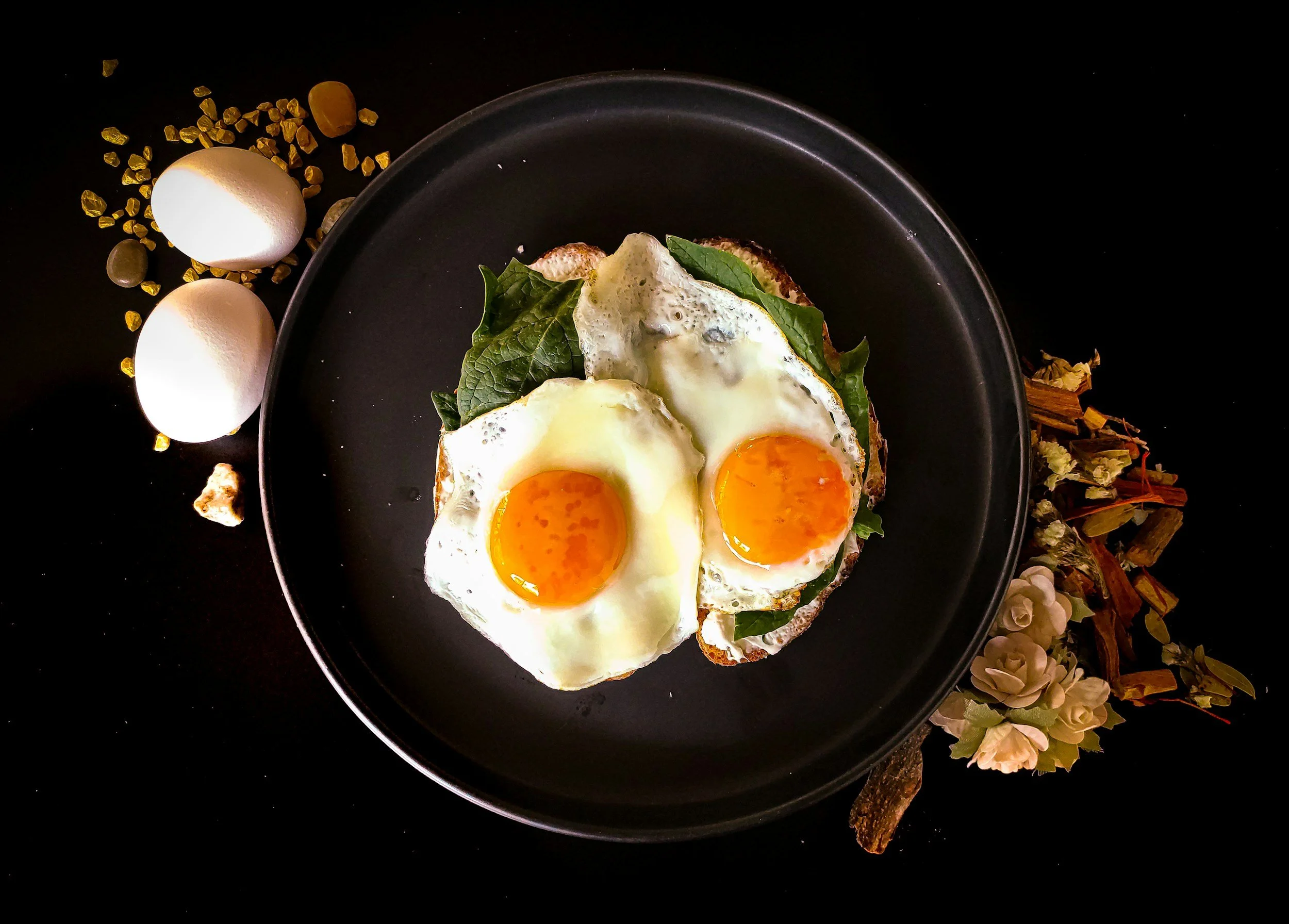
The Best Sources of Cholesterol: Foods & Supplements That Support Hormone Health
After learning that cholesterol is essential for your body—especially for hormones, brain function, and overall health—the next question becomes:
“How do I support healthy cholesterol levels naturally?”
The good news is your body makes most of the cholesterol it needs. But your diet and targeted supplementation can play a powerful role in supporting optimal balance, especially during times like pregnancy, postpartum, and menopause.
Let’s break it down.

Cholesterol & Menopause: Why Your Body Needs It Now More Than Ever
If you’ve recently been told your cholesterol is “too high” during menopause, you’re not alone.
Many women see their cholesterol numbers rise during this transition—and are often met with concern, fear, or even pressure to immediately lower it.
But here’s the truth that often gets overlooked:
Cholesterol isn’t the problem. It's part of your body’s solution.
Let’s break down what’s really going on.